Moving antiques inside Chelsea conservation areas safely
Chelsea has a certain feel to it, doesn't it? Elegant streets, period properties, tight access, and homes where a doorway can be as much of a challenge as the item itself. If you are moving antiques inside Chelsea conservation areas safely, the job asks for more than strong arms and a van. It calls for patience, planning, and a proper respect for both the building and the object.
Antiques are rarely forgiving. A lacquered cabinet, a marble-topped table, a gilt-framed mirror, a sideboard with historic joints that have already seen a century of use - these pieces can crack, scrape, swell, or simply shift in ways that make damage more likely. Add Chelsea's conservation-area character, with narrow entrances, shared stairwells, sash windows, and protected facades, and you have a move that needs a careful hand.
This guide walks through the whole process in plain English. You'll find practical steps, common pitfalls, useful comparisons, and a realistic look at how to protect both the antique and the property. If you are also comparing storage or support options, the main Chelsea Self Storage website is a sensible place to start, and if you want to understand the business behind the service, see the about us page.
Truth be told, the difference between a smooth antique move and a stressful one often comes down to the smallest things: whether the route is measured properly, whether the object is wrapped the right way, and whether someone has thought about the floorboards before the first foot is lifted. Small details. Big consequences.
Table of Contents
- Why Moving antiques inside Chelsea conservation areas safely Matters
- How Moving antiques inside Chelsea conservation areas safely Works
- Key Benefits and Practical Advantages
- Who This Is For and When It Makes Sense
- Step-by-Step Guidance
- Expert Tips for Better Results
- Common Mistakes to Avoid
- Tools, Resources and Recommendations
- Law, Compliance, Standards, or Best Practice
- Options, Methods, or Comparison Table
- Case Study or Real-World Example
- Practical Checklist
- Conclusion
- Frequently Asked Questions
Why Moving antiques inside Chelsea conservation areas safely Matters
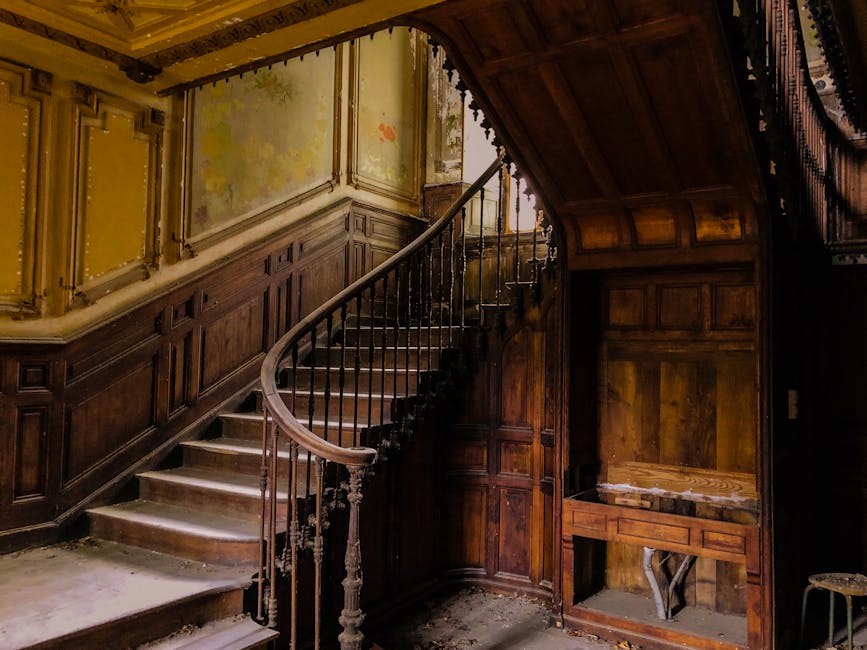
Chelsea's conservation areas are valued because they preserve the character of the neighbourhood: the architecture, the streetscape, the materials, and the feel of the place. That also means moving day has more constraints than in a newer development. You may be dealing with original staircases, delicate plasterwork, narrow halls, communal entrances, and surfaces that have not been built for modern bulky furniture.
Antiques add another layer of risk. They are often heavier than they look, more fragile than they appear, and less structurally consistent than modern furniture. A Victorian mahogany chest, for example, can have dried-out glue joints. A Georgian mirror can be unstable in places you cannot see. A delicate inlay surface can be marked by a single slip of a blanket. One awkward turn in a hallway and you can go from careful to costly in seconds. Annoying, yes, but very real.
There is also the issue of preserving value. Some antiques lose value through obvious damage. Others lose value through more subtle harm: lifted veneer, loose joints, stains from improper wrapping, or restoration marks that are difficult to reverse. In a conservation-area property, the building itself can also be at risk. Scraped stone thresholds, dented bannisters, cracked plaster, and scuffed timber floors are the sort of problems that make a move feel messy long after the van has gone.
And let's face it, no one wants to be that person who dents a listed-style doorway on a quiet Chelsea street while neighbours look on over their morning coffee.
Moving antiques safely matters because it protects three things at once: the item, the property, and your peace of mind.
How Moving antiques inside Chelsea conservation areas safely Works
A safe antique move is usually a staged process rather than a single lift. The best approach starts well before anyone picks up a dolly or blanket. In practice, it works like this:
- Assess the antique, the route, and the property conditions.
- Decide whether the item should be dismantled, wrapped, boarded, or moved whole.
- Protect floors, corners, bannisters, doors, and thresholds.
- Use the right lifting and carrying method for the object's weight distribution.
- Load and transport the piece so vibration, shifting, and moisture are controlled.
- Unpack, inspect, and place the item carefully at the destination.
The route matters as much as the object. A move from a first-floor flat with a twist on the staircase is very different from a ground-floor room with straight access to the street. In Chelsea, you often need to plan around period layouts: tight landings, uneven steps, inner courtyards, and access that looks simple until you actually try to turn a long cabinet through it. That's where measuring properly saves the day.
Professional antique moving usually relies on soft but secure protection: quilted blankets, specialist wraps, corner guards, foam where needed, and straps used with restraint rather than brute force. The aim is not to cocoon the piece so tightly that it rubs against itself, but to hold it stable, absorb knocks, and prevent movement. Over-wrapping can be just as awkward as under-wrapping. Funny how that goes.
If an antique is particularly fragile, the safest route may be temporary storage before the final move. For readers considering that option, the contact page is a straightforward way to ask about practical arrangements and availability.
Key Benefits and Practical Advantages
Done properly, a careful antique move delivers more than simple damage avoidance. You gain confidence, control, and far less disruption on the day.
1. Reduced risk of physical damage
The obvious benefit is protection from chips, cracks, scratches, and structural strain. Antique furniture often has joints and finishes that respond badly to sudden movement. A methodical move reduces impact stress and keeps everything steadier.
2. Better protection for period property features
Conservation-area homes often contain original details worth protecting in their own right. That includes stair rods, architraves, marble thresholds, timber floors, and plaster corners that have no patience at all for careless handling.
3. Less stress for the owner
When you know the route has been measured and the wrapping is right, the move feels much calmer. You do not spend the whole morning hovering by the door wondering whether someone is about to catch a mirror on a banister.
4. Lower chance of avoidable delays
A poorly planned move can stall when an item gets stuck halfway down the stairs, or when a courier realises the piece will not fit through the front hall. That sort of delay is not just inconvenient; it increases handling and risk.
5. More sensible use of storage and staging
Sometimes antiques are moved in stages rather than all at once. Short-term storage can help if decorators, restorers, or access constraints are involved. It gives everyone more breathing room, which, to be fair, is often the thing that prevents mistakes.
| Approach | Best for | Main advantage | Typical risk if done badly |
|---|---|---|---|
| Move as-is | Robust antiques with simple access | Fast and minimal handling | Scratches, knocks, awkward turns |
| Dismantle first | Large cabinets, tables, beds, shelving | Safer through tight access | Loose fixings, incorrect reassembly |
| Protect and board | Very fragile or high-value items | Better shock protection | Added time and specialist handling needed |
| Stage via storage | Moves involving works or access limits | More control over timing | Extra coordination required |
Who This Is For and When It Makes Sense
This topic matters to a fairly wide group of people, not just collectors. If you own or manage antiques in Chelsea, you may need this approach when:
- you are moving house and have inherited or purchased period furniture;
- you are redecorating and need pieces out of the way safely;
- you are downsizing and want to store select items before deciding what stays;
- you are dealing with an estate, where furniture has both monetary and sentimental value;
- you are replacing flooring or carrying out renovation work in a conservation-area property;
- you run an interior design project that includes antiques, art, or decorative objects.
It also makes sense if the property has difficult access. A lovely Chelsea townhouse can be charming and inconvenient at the same time. The hallway may be narrow, the staircase steep, and the landing just a touch too tight for comfort. Beautiful, yes. Practical? Sometimes less so.
Antique shops, private owners, landlords, and even family members handling an elderly relative's possessions can all benefit from a careful process. If you are unsure whether an item needs specialist handling, assume that it does until proven otherwise. That is the safer default.
Step-by-Step Guidance
Below is a practical way to approach the job without missing the detail that often causes trouble.
Step 1: Identify what needs extra protection
Walk through the room and make a list of the antiques, finishes, and awkward objects. Not everything needs the same level of care. A sturdy oak bookcase is not the same as a veneered side table or a mirror with ageing backing.
Look for signs of vulnerability:
- loose joints or wobble;
- hairline cracks in wood, glass, or lacquer;
- lifting veneer;
- ornate handles or carved sections that can catch;
- old repairs that may not hold under strain.
Step 2: Measure the route, not just the item
This sounds obvious, but people still skip it. Measure door widths, hall corners, stair turns, ceiling heights, and the narrowest point along the route. Do not forget radiators, handrails, light fittings, and the angle of the staircase. A piece can technically fit through a doorway and still fail at the turn immediately after it.
Step 3: Choose the moving method
Decide whether the item should be carried upright, on its side, dismantled, or protected in a more rigid way. Heavy items should never be left to guesswork. For some antiques, the safest approach is to remove drawers, shelves, shelves inserts, or detachable tops before moving.
Step 4: Protect the property
Use floor runners, corner guards, and padding on vulnerable points. Conservation-area interiors often include woodwork or plaster that should not be treated like a warehouse wall. A little preparation here can save a lot of apology later.
Step 5: Wrap the antique correctly
Soft blankets, clean wraps, and secure but not crushing tape are usually preferable. Do not let adhesive touch polished or delicate surfaces. For highly polished pieces, a protective layer should sit between the finish and any outer covering. That extra layer matters more than people think.
Step 6: Lift and carry with control
Use enough people for the weight and shape. Lift from stable points, keep the piece balanced, and move slowly through tight areas. One person should call the turns. The goal is calm coordination, not heroics.
Step 7: Load carefully and secure for transit
In the vehicle, keep the antique from sliding or leaning unpredictably. It should be wedged or strapped so it cannot shift. Gentle control is the word here. A van corner is no place for a beautiful cabinet to go for a wander.
Step 8: Inspect on arrival
Once unloaded, check joints, surfaces, and fittings before placing the item in its final position. If anything has moved, stop and reassess. Better to pause for five minutes than force an issue and regret it later.
Expert Tips for Better Results
Here are the practical touches that tend to separate a smooth move from an awkward one.
- Use clean materials. Dust and grit can mark polished wood very easily. A blanket with hidden debris can do more harm than a small bump.
- Remove anything detachable. Handles, shelves, keys, loose trays, marble tops, and removable legs may need to be carried separately.
- Photograph the item before moving. This helps with reassembly and records its pre-move condition. Handy if a drawer seems to have developed opinions of its own.
- Keep small fittings together. Put screws, handles, and labels in clearly marked bags. A tiny bag can save a giant headache.
- Work at a measured pace. Fast is rarely elegant with antiques. Slow is not weakness here; it is competence.
- Check humidity and weather. Wood and veneer can react to damp conditions, especially during a wet London day when the air feels heavy and the pavements are glossy.
- Plan the order of moves. Move the most awkward item first if access is tight. Once the floor is cluttered, everything becomes harder.
A small but useful habit: assign one person to watch corners, another to watch the item, and another to watch the floor. It sounds a bit over-organised until it saves a scraped staircase. Then it feels very sensible indeed.
Common Mistakes to Avoid
People tend to make the same mistakes with antique moves, and most are completely avoidable.
Assuming antique furniture is stronger than it looks
Age does not automatically mean sturdiness. In fact, older joinery can be more delicate than expected, especially if the piece has been repaired multiple times.
Failing to measure turns and landings
Many moves fail not at the door, but at the corner after the door. That is a classic mistake. The item may fit through the opening and still not pivot correctly.
Using the wrong wrapping materials
Plastic sheeting can trap moisture. Rough blankets can snag decorative surfaces. Tape placed directly on a finish can leave marks or lift material. A little care with wrapping is worth far more than speed.
Forcing the item instead of resetting the plan
If a piece resists, stop. Forcing it usually means something is wrong: the angle, the route, the team size, or the protection method. The right answer is rarely "push harder".
Ignoring the property
Some people focus on the antique and forget the building. In Chelsea conservation areas, that is not a small oversight. Floor edges, stair rails, wall corners, and original finishes need protection too.
Leaving storage decisions until the last minute
If access, decoration, or insurance arrangements are still uncertain, a good short-term storage plan can make the whole process much easier. Last-minute improvisation tends to produce a lot of carrying about and very little calm.
Tools, Resources and Recommendations
You do not need a mountain of equipment, but you do need the right basics.
- Quilted moving blankets for padding polished and painted surfaces.
- Corner protectors for doorframes, cabinet edges, and sharp furniture corners.
- Floor runners to guard timber, tile, and stone from scuffs.
- Soft straps for secure handling without over-tightening.
- Labels and small bags for screws, handles, keys, and detachable fittings.
- Measuring tape for access points, routes, and stair turns.
- Clean gloves where appropriate, especially for polished surfaces and delicate finishes.
Some items benefit from a staging plan rather than direct transport. For example, if a room is being refurbished and the antique cannot stay in place, moving it into secure storage can reduce the chance of both cosmetic damage and accidental knocks during the work. That kind of breathing space is often underrated.
If you want to understand service availability or ask about handling a specific move, the contact us page is the place to start. For broader company background and service context, the about us page is also useful.
Law, Compliance, Standards, or Best Practice
When moving antiques inside Chelsea conservation areas, the legal and practical landscape is usually more about care, access, and property responsibility than about one single rule. Still, there are a few important points to keep in mind.
First, conservation-area properties may have restrictions or sensitivities around alterations, access routes, and external changes. Even temporary actions should be considered carefully if they might affect historic fabric. If a move involves removing doors, using external hoists, or working around protected features, it is wise to check the property's specific constraints rather than assume standard practice will be fine.
Second, any move should respect occupier responsibilities, building rules, and common-sense safety practices. That means safe lifting, clear access, and proper protection for shared areas. In shared blocks or managed buildings, you may also need to coordinate timings, lift usage, or access arrangements with the building manager.
Third, if the item is valuable or irreplaceable, insurance conditions may matter. Documentation, photographs, and an accurate condition note can help if anything needs to be checked later. Not glamorous, but useful.
From a best-practice point of view, the standards are straightforward: plan ahead, reduce handling, use appropriate protection, and do not improvise under pressure. That advice sounds simple because it is. The hard part is sticking to it when the clock is ticking and the hallway looks narrower than it did ten minutes ago.
Options, Methods, or Comparison Table
Different antiques call for different methods. Choosing the wrong approach can be the difference between a routine move and a repair bill.
| Method | What it involves | Best use case | Watch-outs |
|---|---|---|---|
| Direct carry | Moving the item intact with padded handling | Sturdy pieces with easy access | Risky for tight turns and fragile surfaces |
| Partial dismantling | Removing drawers, tops, legs, or fittings first | Larger furniture and awkward stairways | Needs careful labelling and reassembly |
| Full wrap and board | Extra protective layers, sometimes with rigid support | High-value or highly fragile items | More time, more materials, more planning |
| Storage-first approach | Moving item into secure storage before final placement | Renovations, timing gaps, uncertain access | Requires two moves instead of one |
In practice, a partial dismantle is often the sweet spot for Chelsea homes. It reduces risk without making the process overly complicated. But not every antique should be taken apart lightly. If a piece has a fragile structure or original joinery that may not love being disturbed, a careful intact move may be safer. Judgment matters. A lot.
Case Study or Real-World Example
Here is a realistic example based on the sort of move people often face in Chelsea.
A couple renovating a first-floor flat in a conservation area needed to move a pair of antique side cabinets, a tall bookcase, and a mirror from a drawing room with a narrow staircase. The hallway had a tight turn at the bottom of the stairs, and the bookcase was just long enough to make the corner awkward. The mirror, meanwhile, had a beautiful frame with delicate detailing that would not tolerate a careless bump.
Instead of trying to force everything out at once, the move was broken into stages. The drawers were removed and wrapped separately. The bookcase shelves were unloaded and the top section was carried with an extra pair of hands. Floor protection was laid down before anything moved. The mirror was wrapped in soft layers, then carried upright with one person guiding each side and one person managing the landing.
The biggest win was not speed. It was control. The work took a bit longer than a rough-and-ready attempt, but there were no scuffs on the walls, no scraped floorboards, and no panicked wobbling halfway round the stair turn. That is the kind of result that feels a bit boring in the best possible way. Boring is good here.
Practical Checklist
Use this checklist before moving antiques inside a Chelsea conservation area.
- Confirm which items are antiques, fragile, or high-value.
- Check for existing damage, loose joints, or unstable parts.
- Measure doorways, stair turns, hallways, and landings.
- Plan the route from room to vehicle and from vehicle to final room.
- Decide what should be dismantled and what should stay intact.
- Prepare blankets, wraps, corner protection, and floor runners.
- Label removable parts, screws, and fittings clearly.
- Coordinate timing with building rules or neighbours if needed.
- Protect floors, thresholds, bannisters, and walls before lifting starts.
- Move slowly, with clear communication and enough hands.
- Inspect each item immediately after unloading.
- Keep condition notes or photographs for valuable pieces.
Expert summary: the safest antique moves are rarely the fastest. They are the ones where access is measured, protection is prepared, and nobody tries to improvise with a heavy cabinet in a narrow stairwell. That calm, careful approach saves money, time, and a lot of nerves.
If you are planning a move, or just weighing up whether an item needs temporary storage before it is placed, getting in touch early is usually the best decision. You can use the contact us page to ask a practical question before the pressure starts.
Get a free quote today and see how much you can save.
Conclusion
Moving antiques inside Chelsea conservation areas safely is really about respect: respect for the object, respect for the property, and respect for the effort it takes to do things properly. The buildings in this part of London ask for a bit more care, and antiques ask for a bit more patience. Put those together and the best result is usually not dramatic - just smooth, quiet, and uneventful.
That is the goal, after all. No scuffed bannisters, no sudden wobble, no heartbreaking crack from the back of the van. Just a careful move, a protected home, and an antique that arrives looking exactly as it should.
And if you can finish the day with the piece in place, the floors intact, and the kettle on by evening, well, that's a good Chelsea move done properly.
Frequently Asked Questions
What is the safest way to move antiques in a Chelsea conservation area?
The safest method is usually a planned move with measured access, soft protection, enough handlers, and careful route control. In tighter properties, partial dismantling or staged storage may be safer than trying to move the item whole.
Do antiques always need specialist moving help?
Not always, but many do benefit from it. If the item is valuable, fragile, awkwardly shaped, or difficult to fit through stairs and doorways, specialist handling is a sensible choice.
Why are Chelsea conservation areas more challenging for furniture moves?
Because the properties often include period layouts, narrower access, protected features, and delicate finishes. A move that would be easy in a modern building can be trickier in a heritage home.
Should antique furniture be dismantled before moving?
Sometimes, yes. Removing drawers, tops, shelves, or legs can reduce risk and improve access. But dismantling should only be done if the structure can tolerate it and the parts can be carefully labelled.
How do I protect floorboards and staircases during the move?
Use floor runners, padded coverings, and corner protection before lifting starts. It is much easier to prevent damage than to repair scuffs on old timber or plaster.
What should I do if an antique seems unstable before the move?
Stop and assess it first. Loose joints, cracks, or wobble may need extra support or a different moving method. If in doubt, treat the piece as fragile until proven otherwise.
Is storage useful when moving antiques in Chelsea?
Yes, especially if the property is being renovated, access is awkward, or the final room is not ready. Storage can reduce pressure and help you move the item in a more controlled way.
How far in advance should I plan an antique move?
As early as possible. Even a quick measure-up can save a lot of trouble, and a more complex move may need time for access planning, wrapping, and coordination.
What kind of wrapping is best for antique furniture?
Soft, clean, non-abrasive protection is usually best. Quilted blankets and layered wrapping often work well, while plastic should be used carefully to avoid trapping moisture.
What are the most common mistakes people make?
The biggest mistakes are not measuring the route, using the wrong wrapping, forcing items through tight spaces, and forgetting to protect the property itself.
Can antique moves affect the value of the item?
Yes. Damage, even minor-looking damage, can reduce value. That is why careful handling, condition checks, and proper protection matter so much.
What should I ask before booking help for an antique move?
Ask how the route will be assessed, what protection will be used, whether dismantling is recommended, and whether the team can coordinate storage if needed. Clear answers are usually a good sign.
For further practical information about the service and the team behind it, you may also want to review the terms and conditions and the privacy policy.