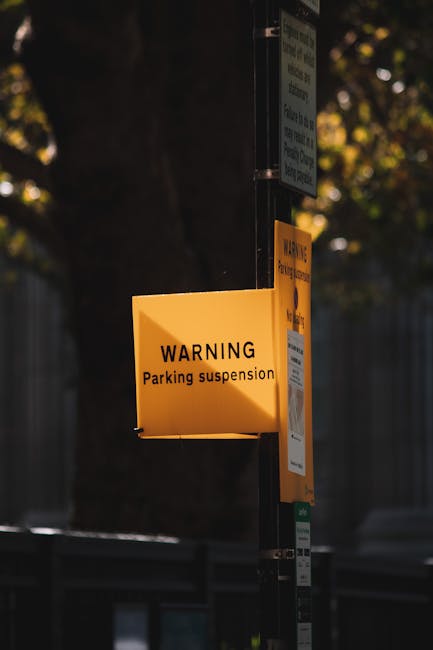
Parking suspensions for Chelsea moves: permits & costs

Moving in Chelsea can feel straightforward right up until the van arrives and there is nowhere legal to stop. Narrow streets, resident bays, pay-and-display zones and busy kerb space can turn a simple move into a long, stressful shuffle. That is exactly why parking suspensions for Chelsea moves: permits & costs matter so much. The right parking arrangement can save time, reduce lift-and-carry distance, and stop your movers from circling the block while everyone else watches the clock. Not ideal, really.
In this guide, we'll walk through what a parking suspension is, when you might need one, how the permit and cost side usually works, and how to plan a move that feels organised rather than chaotic. You'll also find practical tips, common mistakes, and a simple checklist you can use before moving day. If you're arranging a home move, an office relocation or a larger commercial move, the right preparation makes all the difference.
Why parking suspensions for Chelsea moves: permits & costs Matters
Chelsea is one of those areas where moving logistics and parking rules collide. Streets can be tight, access can be awkward, and the space you think you have at 8am may be gone by 8:10. If your vehicle cannot stop close to the property, every box, sofa and wardrobe has to be carried farther. That adds labour, adds time, and usually adds stress too.
Parking suspensions are especially useful where a move needs a stretch of road kept clear for loading or unloading. In plain English, it means setting aside kerb space so a removals vehicle can park legally in the most practical spot. For a Chelsea move, that can be the difference between a calm, controlled handover and a morning of awkward compromises. Truth be told, people often only notice parking once it becomes a problem.
The cost side also matters because people sometimes budget for the removals team and boxes, then forget the parking element until late in the process. That is usually when things get expensive or rushed. A suspension may involve council fees, application timing, administration steps and occasional extra charges depending on the arrangement and how much space or time is needed. Even when the fee is modest, the value can be huge if it keeps the vehicle where it needs to be.
There is also a trust issue here. If a mover arrives without proper parking arrangements, you are left hoping for a free space, a considerate neighbour, or a warden having a quiet day. That is not a strategy. A proper parking plan is. If you are planning a residential move, it can help to pair the parking decision with a service like home moves support or, for smaller jobs, a flexible man and van option. For office relocations, it may be more sensible to coordinate with office relocation services so access and timing are handled as one project rather than separate headaches.
How parking suspensions for Chelsea moves: permits & costs Works
At a practical level, a parking suspension is a temporary restriction that reserves a section of the road so parking is kept clear. The exact process can vary, but the moving logic is similar: you identify where the vehicle needs to stop, check whether suspension or another parking permit is required, allow enough lead time, and confirm the timing with your removals team.
Here's the important bit: a suspension is not the same thing as a general parking permit. A permit may allow a vehicle to park in certain places, while a suspension temporarily removes normal parking from that area for a defined purpose. In many cases, a Chelsea move needs one or the other, and sometimes both the move organiser and the removals company need to align on what the street will allow. It can sound fiddly, and honestly, it sometimes is.
Costs tend to depend on a few variables:
- how long the space is needed
- how much kerb space is being reserved
- the type of road and local parking controls
- whether signs or traffic management steps are involved
- application timing and any admin charges
Because moving regulations and parking arrangements can differ by location, it is sensible to treat any price estimate as a working figure until the relevant authority confirms it. That is especially true in busier London streets where access can be tight and last-minute changes can make life awkward. If you are moving heavier items, a vehicle with the right capacity can also reduce the number of trips needed; for that, a moving truck or removal truck hire may make more sense than a smaller van.
One useful rule of thumb: the more difficult the street, the earlier you should start thinking about parking. A quiet cul-de-sac and a busy Chelsea terrace are not the same job at all. Not even close.
Key Benefits and Practical Advantages
The obvious benefit is access. If the vehicle can stop close to the property, loading and unloading becomes simpler, safer and faster. That alone can reduce a lot of friction on moving day. But there are several other advantages that are easy to overlook until you experience them firsthand.
- Shorter carrying distance: fewer steps between front door and vehicle means less fatigue and lower risk of damage.
- Better time control: a reserved space helps keep the move on schedule.
- Less disruption to neighbours: fewer blocked driveways, fewer awkward reversals, fewer complaints.
- Safer handling: heavy items are easier to move when you are not weaving through parked cars.
- More predictable pricing: fewer delays can mean fewer extra labour hours.
There is also a hidden comfort in having things sorted before the van turns up. You can hear the lift doors close, the tape rip off the last box, and you know the vehicle is actually where it needs to be. Small thing, maybe. But on moving day, small things are often everything.
For households with a lot of furniture, or when you need help packing before the vehicle arrives, it can be smart to pair access planning with packing and unpacking services. That way, the parking arrangement supports the whole move rather than only the transport leg.
Who This Is For and When It Makes Sense
Parking suspensions are not only for large removals. They can make sense in a surprising number of situations. If any of the following sound familiar, it is worth thinking about early.
- Home movers in a terraced street, mansion block, mews, or any road with restricted kerb space.
- Flat moves where stairs, lifts and building rules already complicate access.
- Office relocations where loading bays are limited or shared with other tenants.
- Furniture pickups where a single item is bulky enough to need direct van access.
- Commercial moves that involve stock, equipment or several sequential vehicle loads.
If the job is small and the vehicle can stop safely without obstructing traffic, a full suspension may not be necessary. Sometimes a well-timed van, sensible loading plan and clear communication are enough. But if the street is tight and the move depends on a specific patch of road, the suspension route becomes much more attractive.
That is especially true when you are booking a man with van service for a fast turnaround or arranging house removalists for a larger family move. The more hands and furniture involved, the more painful parking problems become. A couple of extra metres may not sound like much. On the day, it really does.
Step-by-Step Guidance
Here is a simple way to approach parking suspensions for Chelsea moves without getting lost in admin.
- Assess the street first. Look at the road outside the property, note bay markings, access restrictions, and whether a large vehicle could stand there without blocking traffic.
- Estimate vehicle needs. A small van, moving truck or larger removals vehicle will each need different space and access tolerance.
- Decide if suspension or permit is needed. If the vehicle needs reserved kerb space, a suspension may be more suitable than trying to rely on luck.
- Build in time. Do not leave it to the last minute. In moving work, last minute usually means stress, and stress means mistakes.
- Confirm the moving window. Make sure the removals team knows the exact date, start time and expected duration.
- Check building access too. A parking arrangement is useless if the lift is booked, the porter is away, or the building has access rules you forgot about.
- Reconfirm before the move. A quick check a day or two beforehand can catch changes before they become problems.
If you are moving a business, coordinate the parking plan with stock handling, desk dismantling and staff availability. For households, coordinate with packing, key handover and fragile items. The move runs smoother when the parking decision is folded into the broader logistics plan rather than treated as a separate afterthought.
Practical summary: the best parking setup is usually the one that keeps the vehicle closest to the door, keeps the schedule realistic, and avoids any last-minute scramble for a legal space.
Expert Tips for Better Results
Most parking problems are preventable. You do not need magical local knowledge, just a bit of discipline and a willingness to plan the boring bits early. That's the real secret, if there is one.
- Measure the access, not just the property. Door width, entrance steps, bay length and turning room all matter.
- Choose the right vehicle size. A smaller van is easier to position, but may need more trips. A larger truck may reduce back-and-forth but needs more space.
- Keep neighbours in the loop where appropriate. A polite heads-up can avoid unnecessary friction if the street will be busy.
- Label urgent items separately. If parking access causes any delay, you'll still know where the essentials are.
- Have a backup plan. Not a dramatic one. Just a sensible alternative if a bay is unexpectedly unavailable.
In our experience, one of the best decisions is to treat access as part of the move quote, not as a separate concern. A strong moving plan should account for parking, vehicle type and unloading order together. That is one reason people often prefer discussing parking alongside commercial moves or domestic relocation planning rather than trying to bolt it on later.
And yes, sometimes the best tip is the least glamorous one: write everything down. Who said what, when, and what time the van is expected to arrive. Boring? Absolutely. Useful? Very.
Common Mistakes to Avoid
Parking arrangements are easy to underestimate. Most mistakes come from assuming there will be room, assuming the process is quick, or assuming someone else has handled it. That trio causes a fair amount of grief.
- Leaving the request too late. This is the big one. Delayed planning can restrict your options.
- Underestimating the vehicle size. If the van cannot fit where you imagined, the whole plan changes.
- Forgetting peak traffic pressure. Chelsea roads can be busy, and the same space may feel very different at different times of day.
- Ignoring building rules. Some properties have loading restrictions, concierge checks or access windows.
- Not confirming costs in advance. Small parking fees can still cause annoyance if they were never expected.
- Assuming a permit and a suspension are interchangeable. They are not always the same thing.
One small real-world example: a family books a Saturday morning move, the van arrives on time, but the only nearby legal space is already occupied by a resident who returned earlier than expected. Now the crew is carrying wardrobes half a street farther than planned, and everyone is tired before the kettle has even boiled. That kind of thing is common enough to be worth preventing.
Also, if you are arranging a simple item collection, a full suspension may be overkill. A targeted service like furniture pick up may fit the job better. The trick is matching the access solution to the size of the task. Sounds obvious, but people miss it.
Tools, Resources and Recommendations
You do not need a box of specialist gadgets to handle parking well, but a few simple tools help enormously.
- Phone calendar reminders: useful for permit deadlines, move-day checks and confirmation calls.
- Street photos: take pictures of the parking bays, door frontage and any access constraints.
- A written move plan: include arrival time, vehicle type, contacts and key handover notes.
- Box labels: they reduce time spent searching if parking or access delays slow things down.
- Floor plans or room notes: particularly helpful for office and larger home moves.
From a service-planning point of view, it often helps to choose a removals option that fits the access reality rather than the other way around. A smaller load might suit a man and van setup. A bigger or more complex move may be better handled with removal truck hire. If the move also involves staging furniture, temporary storage or staggered collections, the home page at Chelsea Self Storage is a sensible starting point for understanding the service range.
It can also be worth checking about us if you want a better sense of the team and approach before booking. And if you are unsure about arrangements or availability, use contact us to clarify the moving plan before the day arrives. A five-minute conversation often prevents a five-hour headache.
Law, Compliance, Standards, or Best Practice
Parking suspensions and permits are part of a wider system of local parking management, so it is important to respect the rules that apply to the street and the moving vehicle. The exact requirements may vary by location, road type and property, and they can change. Because of that, careful checking is better than guesswork every time.
Best practice usually means three things: confirm the legal parking arrangement before move day, make sure the time window is realistic, and keep the removals team informed about any restrictions. If you are moving into or out of a building with extra access rules, those should be treated as part of the compliance picture too. Ignoring them is a fast way to create delays, complaints or avoidable costs. Nobody wants that, least of all on moving day.
From an operational standpoint, good movers will also take care around loading, traffic, and public access. That includes avoiding obstruction, keeping routes clear where possible, and adjusting the unload sequence if the road becomes busy. In Chelsea, where streets can be tight and residents are understandably alert to disruption, being considerate is not just nice. It is practical best practice.
If your move involves business premises, office equipment or customer-facing space, it is even more important to coordinate parking with the wider relocation plan. An office relocation service should be briefed on access, building rules, vehicle size and delivery timing so nothing gets left to chance.
Options, Methods, or Comparison Table
Different moves call for different parking approaches. Here is a straightforward comparison to help you think through the options.
| Option | Best for | Pros | Potential drawbacks |
|---|---|---|---|
| Parking suspension | Moves needing reserved kerb space | Keeps the area clear, reduces carrying distance, improves timing | May involve admin, lead time and council-related costs |
| General parking permit | Vehicles needing lawful parking in permitted areas | Can be flexible if the road layout suits it | Not always enough for direct loading or unloading |
| Short, timed loading plan | Smaller moves or quieter roads | Simple, quick, sometimes low cost | Relies on space being available at the right moment |
| Smaller vehicle approach | Tight streets and lightweight moves | Easier to position, often more nimble | May require multiple trips |
There is no single right answer for every Chelsea move. A compact flat move may be fine with a simple van and careful timing. A larger property move may need a stronger access plan and a reserved space. The best choice is the one that makes the move predictable, not the one that looks cheapest on paper but causes friction later.
Case Study or Real-World Example
Imagine a couple moving from a first-floor flat near a busy Chelsea street into a nearby townhouse. The furniture includes a bed frame, wardrobe, several boxes of books, and a few awkward items that do not love narrow staircases. At first, they assume the removals truck can just stop outside. Simple enough, right?
But the road already has resident parking, delivery activity and limited waiting space. After checking the layout, they decide a reserved parking arrangement is the safer choice. The result is not dramatic, just practical: the vehicle parks where it should, the team can load without shuffling back and forth, and the move feels controlled rather than improvised. They still have the usual moving-day chaos - one missing charger, one box labelled "kitchen" that somehow contains random cables - but parking is not one of the problems.
Now compare that with an office moving a few desks, monitors and filing cabinets. Without a clear parking plan, the team might need to unload in stages while staff wait and the road remains awkwardly busy. With a proper arrangement, the vehicle can be positioned once, the route is clearer, and the work can be done more cleanly. Different job, same principle: access shapes everything.
The lesson is pretty simple. In Chelsea, good parking planning is not about making the move fancy. It is about keeping it sensible.
Practical Checklist
Use this quick checklist before move day. It is short on purpose. Nobody wants a novel at 6am.
- Confirm whether a parking suspension or permit is needed.
- Check the property frontage, road width and any loading restrictions.
- Choose the right vehicle size for the amount of furniture and boxes.
- Allow enough lead time for any parking-related administration.
- Share arrival times with the removals team and building contacts.
- Prepare labels for key items and essentials.
- Keep access notes for lifts, stairs, concierge or loading bays.
- Reconfirm arrangements the day before the move.
- Have a fallback plan if the space is unexpectedly unavailable.
- Keep contact details handy in case timing changes on the day.
If you tick these off in advance, the move usually feels a lot calmer. Not perfect, maybe. But calmer. And that counts.
Conclusion
Parking suspensions for Chelsea moves: permits & costs may sound like a small logistical detail, but they often decide whether a move runs smoothly or turns into a long, tiring haul. A good parking plan protects your schedule, reduces stress, and helps your removals team work efficiently. It is one of those practical steps that pays off immediately.
If you are moving into or out of a tight Chelsea street, the smartest move is usually to think about parking early, match the vehicle to the access you actually have, and keep the whole process simple and well-communicated. Whether you are arranging a house move, office relocation or a single furniture collection, a little planning goes a very long way. And on moving day, that quiet sense of everything being in the right place is worth a lot.
Get a free quote today and see how much you can save.
Take your time, plan the kerb space properly, and give yourself one less thing to worry about. That small bit of prep can make the whole day feel lighter.
Frequently Asked Questions
What is a parking suspension for a Chelsea move?
A parking suspension temporarily reserves a section of road so a moving vehicle can stop there without competing for a regular parking space. It is useful when access is tight and direct loading matters.
Do I always need a parking suspension in Chelsea?
No. Smaller moves or quieter streets may not need one. The decision depends on the road layout, available parking, vehicle size and how close the van needs to be to the property.
How much do parking suspensions usually cost?
Costs can vary depending on the location, duration and type of arrangement required. It is best to treat any figure as an estimate until the relevant authority or organiser confirms it.
What is the difference between a permit and a suspension?
A permit usually allows parking in certain controlled areas, while a suspension temporarily removes normal parking from a specific space for a set purpose. They are not automatically the same thing.
How far in advance should I arrange parking for a move?
As early as possible. Chelsea streets can be busy, and parking arrangements may need time to process. Early planning gives you more flexibility and fewer last-minute problems.
Can a removals company arrange the parking for me?
Some movers can help coordinate the parking side, but you should always confirm what is included. It is wise to make sure everyone understands the timing, location and vehicle needs.
What happens if the space is occupied on moving day?
If the space is not properly reserved or is unexpectedly unavailable, the vehicle may need to park farther away, which can slow the move and increase carrying distance. That is why backup planning matters.
Are parking suspensions useful for small man and van jobs?
Sometimes, yes. If the street is particularly tight or the item is bulky, a reserved space can still make a small job easier. For simpler moves, though, it may be unnecessary.
Do office moves need different parking planning from home moves?
Often they do. Office relocations may involve larger loads, staff coordination, delivery timings and access rules, so parking and vehicle positioning tend to need a bit more structure.
What should I check before booking a removal truck?
Check road access, loading room, the length of time needed, and whether a reserved space is realistic. If the truck cannot park close enough, the move may take longer than expected.
Can parking costs be avoided entirely?
Sometimes, but not always. If the move can be completed without special parking arrangements, you may not need extra fees. Still, it is worth comparing the cost of planning properly against the cost of delays and extra labour.
What is the best way to reduce stress on moving day?
Plan parking early, confirm the vehicle type, label your belongings clearly and keep the move timetable realistic. A calm, organised approach usually works better than trying to fix everything on the morning itself.