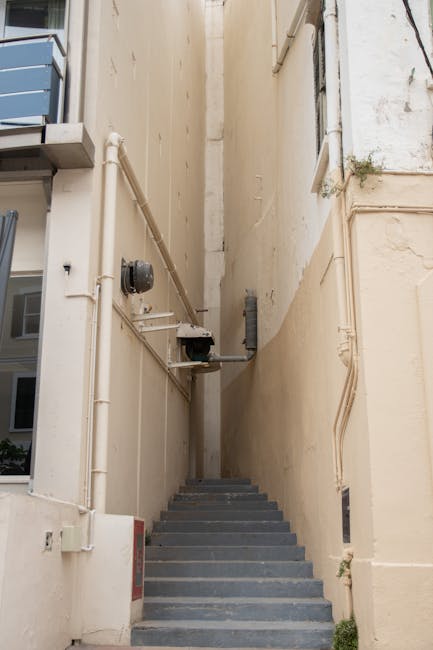
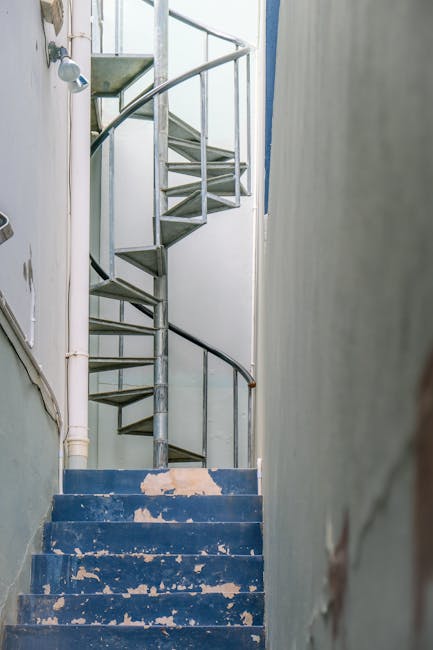
Tite Street narrow stair removals for Chelsea artists studios
If you have ever looked at a narrow Chelsea staircase, a wet canvas under one arm and a bulky easel under the other, you will know the feeling: this is not a normal move. Tite Street narrow stair removals for Chelsea artists studios calls for more than muscle. It needs planning, protection, timing, and a bit of local know-how. In a street like Tite Street, where heritage buildings, tight landings, awkward turns and fragile finishes are all part of the picture, the wrong approach can turn a simple studio change into a slow, expensive headache.
This guide explains what these removals involve, why they matter, how they work in practice, and how to avoid the usual traps. You will also find a practical checklist, a comparison of common methods, and a real-world style example of how a Chelsea studio move can be handled without drama. To be fair, most people do not need more theory. They need clear steps and a bit of reassurance. That is what this is for.
For broader moving support, you may also find our commercial moves and packing and unpacking services pages useful if you are planning a larger studio transition.
Table of Contents
- Why Tite Street narrow stair removals for Chelsea artists studios Matters
- How Tite Street narrow stair removals for Chelsea artists studios Works
- Key Benefits and Practical Advantages
- Who This Is For and When It Makes Sense
- Step-by-Step Guidance
- Expert Tips for Better Results
- Common Mistakes to Avoid
- Tools, Resources and Recommendations
- Law, Compliance, Standards, or Best Practice
- Options, Methods, or Comparison Table
- Case Study or Real-World Example
- Practical Checklist
- Conclusion
- Frequently Asked Questions
Why Tite Street narrow stair removals for Chelsea artists studios Matters
Tite Street has a particular kind of moving problem. Many studios and live-work spaces in Chelsea were not designed for modern bulky furniture, boxed archive storage, casting equipment, or oversized frames. Stairs can be steep. Landings can be tight. Banisters can be close to the wall. And the building fabric itself may be precious enough that a single scrape feels like a small disaster.
For artists, the stakes are not just physical. A move can interrupt commissions, delay an exhibition, or damage materials that are hard to replace. A dented stretcher bar or scuffed floorboard may sound minor until it is your work, your rent, and your reputation all at once. That is why specialist narrow stair removals matter here: they reduce friction, protect the building, and keep the studio usable on the other side.
There is also the local reality of Chelsea access. Parking can be awkward, loading windows are often limited, and some streets require careful timing. A move that looks simple on paper can become messy fast if the team arrives without a plan for access, protection, or traffic. Small detail, big difference. Honestly, it is usually the small detail that decides whether the day feels calm or chaotic.
One practical point people sometimes miss: artists' studios are rarely empty shells. They are lived-in workspaces filled with odd-shaped items, half-finished pieces, drying surfaces, fragile ceramics, and storage that is packed more efficiently than it first appears. That is exactly why a careful, narrow-stair approach is worth it.
How Tite Street narrow stair removals for Chelsea artists studios Works
A good narrow-stair removal is less about brute strength and more about sequencing. The process usually starts with a survey of the access route: front entrance, internal staircase, landings, door widths, ceiling height, and any awkward turns. In a Chelsea studio, this step matters because the building may look manageable until the measuring tape comes out. Then the reality lands.
The crew will normally identify items that can pass through the stairwell safely, items that need partial dismantling, and items that may be better moved by an alternative route or lifted in a different way. This can include taking apart shelving, removing legs from tables, wrapping stretcher frames, or securing canvases vertically so they do not flex under pressure.
Protection comes next. Stair rails, banisters, walls, floor edges, and door frames are usually padded or wrapped. In tight staircases, even a careful hand can catch paint or plaster if the item shifts at the wrong moment. Good protection is not overkill; it is what makes the rest of the job possible.
Then comes the actual movement. Items are staged in a sensible order, usually starting with the easiest or most fragile pieces, depending on the layout. The team may use shoulder straps, sliders, blankets, trolleys where possible, and hand-carry techniques where the stair geometry leaves no better option. The key is control, not speed. If someone says, "we can just wing it," that is your cue to slow things down.
Finally, there is placement at the destination. For artists, this is where a removal service becomes genuinely helpful rather than merely transport. Boxes are stacked with access in mind, canvases are set where they will not warp, and heavy items are not left in the middle of the room like a tiny industrial puzzle.
What makes a narrow stair move different?
It is the combination of scale and sensitivity. A sofa move is one thing. A studio move with canvases, easels, kilns, shelving, stored work, and delicate framing is another. Narrow stairs magnify every choice. That is why the process has to be calm, measured, and properly planned from the outset.
Key Benefits and Practical Advantages
The main benefit is simple: less risk. But the real advantages go deeper than that.
- Lower chance of damage to artwork, walls, floors, bannisters, and equipment.
- Better time control, because a well-planned move avoids repeated attempts and unnecessary lifting.
- Less stress for the artist or studio manager, who does not need to improvise on moving day.
- More suitable handling for unusual items such as stretchers, sculpture bases, portfolios, presses, or oversized frames.
- Improved access planning for Chelsea streets where parking and loading need attention.
- Cleaner arrival setup, which matters when the next day's work starts immediately.
There is also a quieter benefit people appreciate after the fact: the move does not consume the whole week. If the stair strategy is right, the move can feel like a controlled handover rather than a rescue mission.
And let's face it, in a creative workspace, preserving momentum matters. A studio move is not just about getting things from A to B. It is about keeping the work alive in transit.
Expert summary: Narrow stair removals in Chelsea work best when they are treated as access projects, not just transport jobs. Measure first, protect early, move methodically, and leave room for the unexpected. That is the difference between a smooth studio transition and a day spent wrestling with door frames.
Who This Is For and When It Makes Sense
This kind of removal service is a strong fit for studio tenants, independent artists, art teachers, framers, designers, collectors, and gallery operators working from older buildings in and around Tite Street. It is especially relevant if your space has one or more of the following:
- steep or winding internal stairs
- narrow front access
- tight basement or upper-floor studio entry
- large canvases or sculptural pieces
- heavy shelving or archive storage
- fragile decorative finishes in the property
It also makes sense when the timeline is tight. Maybe the landlord has given you a move-out date, or maybe your new studio is not available until a certain hour. If you need to combine the move with storage or phased delivery, a service such as man and van support can be a useful middle ground for smaller, more flexible loads.
For larger or more commercial setups, the route often overlaps with office relocation services, especially when there are desks, files, packing zones, and multiple people working in the space. The label may differ, but the access logic is similar.
It may be less suitable if your items are simple, your route is wide, and you only have a few boxes. In that case, over-engineering the move may not be necessary. Truth be told, not every studio needs a specialist approach. But if a staircase makes you sigh before you even start, you probably do.
Step-by-Step Guidance
If you want the move to go well, do not start with lifting. Start with planning. Here is the practical sequence that tends to work best.
- Walk the route carefully. Check the stairs, turns, landings, and entrances. Measure the widest and tightest points. If something looks awkward, it probably is.
- List the awkward items first. Large canvases, framed work, easels, heavy drawers, sculptures, lighting rigs, and anything that flexes or chips should be identified early.
- Decide what can be dismantled. Remove legs, shelves, lids, handles, and anything that makes an object harder to carry than it needs to be.
- Group items by handling need. Fragile, heavy, awkward, and standard boxes should not all be treated the same. They really should not.
- Protect the building before moving. Pad bannisters, cover corners, and shield floors where turning pressure is highest.
- Pack for stair movement, not just storage. Boxes need to be manageable, balanced, and clearly labelled. A box that is too heavy is a problem waiting to happen.
- Move the most delicate items with the clearest path. The route should be clear, and one person should guide the movement if the item is large or valuable.
- Load in the correct order. Items needed first at the destination should not be buried under archive boxes and bubble wrap.
- Check the new studio before unloading everything. Small checks now save hours later: where does the light fall, where are the sockets, what can sit near a wall, what should not?
- Do a final pass for damage or missed items. It sounds obvious, but in the post-move blur, obvious things get missed.
One useful habit is to photograph the workspace before dismantling anything. Not glamorous, maybe, but it helps when you want shelves put back where they actually function instead of where they merely fit.
Expert Tips for Better Results
Here are the practical details that often separate a decent move from a very good one.
Tip 1: Treat canvases like living surfaces. Large paintings and unfinished work can shift, bow, or scuff if stacked carelessly. Keep them upright where possible and separate them properly. A bit of extra padding is cheap insurance.
Tip 2: Remove pressure from the staircase. On narrow steps, the carried load should not force people to twist sharply. If a turn looks tight, reduce the item size or change the handling method. It is rarely worth "just trying once" unless you enjoy nervy silence.
Tip 3: Keep one clear voice in charge. Multiple people shouting instructions on a staircase is, frankly, a comedy sketch waiting to happen. One lead person keeps movement calm and coordinated.
Tip 4: Use the move to declutter. Studio moves are a perfect moment to separate essential tools from old packaging, damaged frames, and things that have sat in a corner since spring. If your studio has got a bit overgrown, a little decluttering makes the next setup cleaner and cheaper. Our guide on how to successfully declutter your space before moving day is a handy companion to that process.
Tip 5: Keep a small "first hour" kit. Tape, knife, basic cleaning cloths, labels, tea bags, chargers, and the one tool everyone suddenly needs should be easy to reach. A move is always calmer when someone can find the tape without opening twelve boxes.
Tip 6: Think about the destination setup before the first box leaves. A new studio can feel cramped if everything lands in the wrong place. Decide in advance where dry work, wet work, storage, and packing waste will go.
Tip 7: Ask for the route to be tested with the hardest item first. If the largest stretcher frame clears the stairwell, you know where you stand. If it does not, you still have time to adapt.
Common Mistakes to Avoid
The mistakes are predictable, which is partly why they are still so common.
- Underestimating staircase dimensions. A few centimetres can change everything on a tight turn.
- Packing boxes too full. Heavy boxes slow the move and increase injury risk.
- Ignoring the building finish. Chelsea properties often have delicate corners, older plaster, and polished details that mark easily.
- Leaving packing too late. Last-minute wrapping almost always creates rushed decisions.
- Forgetting access constraints. Parking, loading, and timing can matter as much as the staircase itself.
- Moving art before documenting it. A quick photo record helps if anything needs checking later.
- Mixing fragile and standard items. It sounds efficient. It is not.
One of the most common issues is simply assuming a mover will "figure it out" on arrival. A good team can solve problems, yes. But they should not have to invent the plan from scratch in a hallway while everyone watches the clock. That is not a plan. That is hope, and hope is not a moving strategy.
Tools, Resources and Recommendations
The right tools do not make a bad plan good, but they do make a good plan work better. For narrow stair studio removals, the most useful items are usually:
- heavy-duty blankets and protective wraps
- edge protectors for frames and furniture
- tape that removes cleanly
- labels and markers for clear box identification
- basic dismantling tools for shelves and furniture
- gloves with a proper grip
- photo labels or a simple room map
- sturdy crates or reinforced boxes for valuable pieces
If your move includes larger items or phased delivery, you may want to consider removal truck hire or moving truck support, depending on the volume and access limits. For smaller, lighter loads, a man with van option can be more practical. The right fit depends on the building, the stairwell, and how much you are trying to move in one go.
It can also help to use temporary storage if the new studio is not ready or if the move needs to happen in stages. For artists, this is often a sensible way to avoid crowding a fresh workspace with everything from day one.
Law, Compliance, Standards, or Best Practice
For moves in Chelsea, compliance is usually less about a single dramatic rule and more about a set of practical responsibilities. You should check building access arrangements, protect shared spaces, and be mindful of local parking or loading restrictions if they apply. Where a property is leasehold, managed, or within a conservation-sensitive area, extra care is often expected. That does not mean the move becomes complicated; it means the planning needs to be tidier.
Health and safety best practice matters too. Manual handling should be approached carefully, especially with awkward or heavy items. A good moving team will avoid unnecessary strain, use correct lifting methods, and reduce trip hazards on the stairs. If a staircase is too narrow for safe handling, the safer method should win. Every time.
For artists and studio operators, there is also a duty of care around equipment, materials, and storage waste. Old packaging, broken stretchers, and unwanted items should be disposed of responsibly. If your move produces waste that should not simply be left on the kerb, our article on avoiding council fines when removing bulky waste in Chelsea is worth a read, and the guide on hazardous waste disposal rules for Chelsea removals can help you handle trickier items more carefully.
Best practice, in plain English: know the route, know the risks, protect the property, label the work, and do not force a move that the building clearly does not want.
Options, Methods, or Comparison Table
Not every studio move needs the same method. Here is a simple comparison that helps when you are deciding how to handle a narrow stair situation.
| Method | Best for | Strengths | Limitations |
|---|---|---|---|
| Full removal team | Larger studios, multiple fragile items, complex stairs | Best protection, coordinated handling, efficient on the day | Usually the highest-cost option |
| Man and van | Smaller loads or lighter studio contents | Flexible, practical, often quicker to arrange | May not suit very tight staircases or heavy specialist items |
| Self-managed move with hired transport | People with time, helpers, and limited fragile stock | Can be cost-conscious | More risk, more stress, and less professional protection |
| Phased move with storage | Studios needing staggered access or fit-out time | Reduces pressure in the workspace, gives breathing room | Requires more coordination and sometimes extra handling |
If the staircase is the main challenge, a fully planned service is often the safest route. If the challenge is volume rather than fragility, a flexible vehicle-based option can be enough. The trick is to match the method to the building, not the other way around.
Case Study or Real-World Example
Picture a first-floor studio off Tite Street: a painter with a mix of large canvases, a heavy storage unit, two easels, and several boxed works waiting for exhibition. The staircase is narrow, with a turn halfway up and a landing that leaves just enough space for one person to stand comfortably. Not spacious. Not terrible. Just awkward enough to punish bad planning.
The move works best when the studio is sorted before the van arrives. The canvases are separated, wrapped, and stood vertically. The shelving unit is dismantled in advance. Fragile materials go into clearly labelled boxes. The stair edges are protected before anything starts moving. The team tests the largest canvas frame first, not last.
Now, here is the detail that matters: the move does not try to be fast. It tries to be clean. The carrying route is kept clear. One person guides each turn. No one rushes the landing. Nothing gets dragged. The result is a quiet, unglamorous, efficient move that leaves the studio owner with intact work and a usable new space by lunchtime rather than a pile of regret.
That sort of outcome sounds simple, but it is built on discipline. And a little patience. The good kind, not the forced kind.
Practical Checklist
Use this checklist before moving day. It is simple, but it catches the things people forget when they are busy.
- Measure stair widths, landings, doors, and the tightest turn
- Identify every fragile, heavy, or oversized item
- Dismantle furniture where possible
- Wrap canvases, frames, and sensitive surfaces
- Label boxes by room or function
- Prepare a first-day essentials box
- Protect walls, floors, bannisters, and corners
- Check access, parking, and loading timing
- Clear the route at both properties
- Confirm where valuable items should be placed in the new studio
- Set aside waste, recycling, and unwanted packaging
- Do a final walkthrough before leaving
Quick reminder: if a box feels too heavy in your hand before the move, it is too heavy for a staircase. Your back will thank you. Quietly, but still.
Conclusion
Tite Street narrow stair removals for Chelsea artists studios are all about careful movement through difficult space. The buildings are characterful, the access is often tight, and the contents are rarely ordinary. That mix calls for planning, protection, and a steady hand. When the move is handled properly, the staircase stops being a problem and becomes just another part of the route.
For artists, the real goal is not simply moving things out. It is preserving the work, protecting the studio, and arriving in a place where you can get back to making, hanging, packing, or exhibiting without too much disruption. That is what a well-run narrow stair removal gives you: less friction, fewer surprises, and a calmer restart.
Get a free quote today and see how much you can save.
If you are comparing options, start with the access details, list the fragile pieces first, and choose the method that fits the building rather than forcing the building to fit the move. That one decision usually saves the most stress. And sometimes, that is the whole game.
Frequently Asked Questions
What makes Tite Street narrow stair removals different from a standard studio move?
The difference is mainly access. Narrow stairs, tight turns, older finishes, and fragile creative equipment all need more planning than a standard ground-floor move. The route matters as much as the load.
Can large canvases be moved safely up narrow stairs?
Yes, often they can, but the method depends on the size, frame strength, and staircase shape. Large canvases usually need careful wrapping, upright handling, and a clear route with protection on the walls and bannisters.
Do artists' studios in Chelsea usually need dismantling before a move?
Often, yes. Shelving, tables, and storage units may need to be partially dismantled to make them safe for narrow stair movement. This also helps protect both the furniture and the building.
Is a man and van service enough for a studio on Tite Street?
It can be, if the load is small and the items are not too awkward. If you have heavy, fragile, or oversized pieces, you may need a fuller removal setup or a more carefully planned phased move.
How should I pack artwork for a narrow stair move?
Keep pieces protected, separated, and easy to carry. Use proper wrapping, avoid overpacking boxes, and keep canvases and frames upright where possible. The aim is to reduce pressure and flex during the stair carry.
What should I check before moving day?
Measure access points, confirm loading arrangements, identify fragile items, and prepare protection for the route. It also helps to decide what should be unpacked first at the new studio so the move-in feels orderly.
Are there compliance issues to think about in Chelsea moves?
Yes, but usually in a practical sense rather than a complicated legal one. You should respect building rules, loading arrangements, health and safety practice, and responsible waste handling. If the property is managed or in a sensitive area, extra care is sensible.
What if my staircase is too narrow for the furniture?
Then the item may need to be dismantled, carried by a different route, or moved with another method. Forcing it is rarely a good idea. If you are unsure, measure first and choose the safest option.
Can storage help during a Chelsea studio move?
Yes. Storage can make a studio move much easier if the new space is not ready, if work is being phased in, or if you want to avoid crowding the new studio on day one.
How do I reduce the risk of damage inside the building?
Protect the route before moving, use the right lifting method, avoid rushing, and keep the path clear. A good move is usually quiet, controlled, and a bit more methodical than people expect.
What is the biggest mistake people make with narrow stair removals?
Underestimating access. People often focus on the van and forget the stairwell. In practice, the staircase is usually the real deciding factor.
When should I book a removal team for a Chelsea studio move?
As early as you can, especially if access is tricky or the move needs to happen on a specific date. That gives time to plan the route, check the load, and avoid last-minute scrambles.